

Corporate Drinkware in Singapore: Bottles, Tumblers & Flasks Buying Guide
Choose corporate drinkware around how recipients will carry, drink from and clean it. A bottle for a daily commute, a tumbler for a desk and a flask for temperature retention can solve different needs—even when their capacities look similar.
This guide helps Singapore business buyers compare bottles, tumblers and thermal flasks, then prepare a clear brief for a bulk order with company branding.
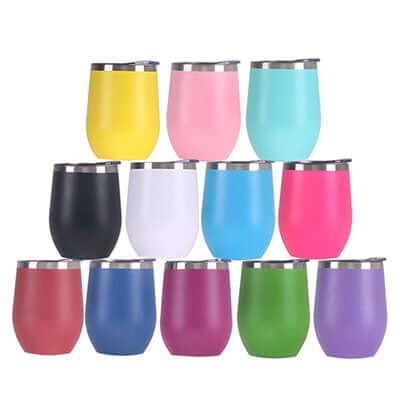
1. Choose the format before choosing the colour
Start with the main use: hydration throughout the day, drinks at a desk or carrying beverages between locations. Product names overlap, so assess the actual lid and construction rather than assuming every tumbler or flask behaves the same way.
| Format | Useful starting point | Check before ordering |
|---|---|---|
| Water bottles | Daily hydration, field teams and activities | Closure, carrying weight, opening size and cleaning access |
| Tumblers | Desk drinks, meeting rooms and upright cup-holder use | Lid design, drinking opening, stability and actual base dimensions |
| Thermal flasks | Programmes where temperature retention matters | Model-specific insulation information, closure and care instructions |
If the product will travel inside a bag, make closure performance an explicit requirement. A lid, slider or straw opening does not by itself establish that the container is leakproof.
2. Match capacity and dimensions to the routine
A larger capacity is useful only if recipients are comfortable carrying and using it. Compare the empty weight and dimensions, then consider the filled weight and where the drinkware will be stored.
- At a desk: check stability, space beside a laptop and whether the recipient prefers a handle.
- During a commute: check the closure, bag-pocket fit and ease of carrying.
- In a vehicle: measure the intended cup holder and compare it with the product base; do not assume universal fit.
- During events or activities: consider refill access, distribution and how attendees will carry the item.
For example, AbrandZ’s 12oz Double Wall Stainless Steel Tumbler listing specifies a 304 stainless steel inner and a 201 stainless steel outer. Those details help identify its construction, but do not establish a leakproof closure or a specific number of hours of temperature retention. Ask for any missing specifications needed for your brief.
3. Compare material, insulation and cleaning separately
Material is one part of the specification. Ask about the inner surface, outer body, lid, seals and finish, as well as the intended drinks and cleaning instructions.
- Plastic bottles: confirm the exact material, permitted beverage temperatures and care instructions for the selected model.
- Stainless steel drinkware: check whether the model is single wall, double wall or specifically described as vacuum insulated. A steel body alone does not establish thermal performance.
- Glass drinkware: consider handling, protective packaging and the setting in which recipients will use it.
For temperature retention, request the manufacturer’s model-specific information and any stated test conditions. Avoid applying one product’s “hot for X hours” claim to an entire collection. Browse stainless steel tumblers or thermal flasks once the required construction is clear.
Check whether the body and lid have different washing instructions. If a lid has a straw, removable seal or several parts, ask how each part is cleaned and reassembled. Do not assume dishwasher suitability from the material alone.
4. Check the lid with the intended user in mind
Look at opening and closing, drinking comfort, grip and cleaning access. If one-handed use or carrying inside a bag is essential, include that in the quotation request and ask to assess a suitable sample.
Distinguish a lid intended to reduce splashes from a closure specifically described for leakproof transport. Confirm the manufacturer’s conditions of use. For school or workplace programmes, share the recipient age group and any organisation-specific requirements before selecting a model.
5. Plan the logo and packaging together
The available branding method depends on the product’s material, coating, shape and usable area. Send the actual logo when requesting options.
- Logo printing: ask about supported colours, maximum artwork size, placement and care requirements.
- Engraving: ask whether the selected finish supports it and request a visual example of the result. Do not expect engraving to reproduce a full-colour logo.
- Names or individual details: confirm availability, added cost and the process for approving the final name list.
- Presentation: specify whether you need individual boxes, an insert card or packing with other gifts.
Ask for an artwork proof showing scale and placement, including how your logo sits alongside any manufacturer branding. Confirm sample arrangements and production approval before committing to the final schedule.
6. Connect the product to the programme
Keep the buying requirements specific even when drinkware forms part of a wider gifting programme:
- Employee engagement programmes: consider daily work routines, distribution and whether repeat orders are likely.
- Schools and education: provide the recipient age group, intended activity and relevant school requirements.
- Healthcare organisations: share the actual workplace rules for personal drinkware and cleaning; do not assume a product has medical or hygiene certification.
If reusability is part of the brief, prioritise an item recipients can use and maintain repeatedly. Request evidence for any specific recycled-content or environmental claim rather than treating a material name as proof.
7. Request comparable bulk quotations
Compare quotations using the same product or agreed specification, quantity, colour split, logo treatment, packaging and delivery requirements. Ask whether setup, samples, individual personalisation, delivery and applicable taxes are included.
Example brief: “We need 150 branded drinkware gifts for a company programme. Recipients commute with a work bag, so please shortlist models suitable for carrying inside a bag. Quote for our logo, individual packaging and delivery before our distribution date. Please confirm capacity, dimensions, cleaning instructions and closure specifications.” Add your budget and preferred format, if known.
Corporate drinkware ordering FAQs
What is the minimum order quantity?
AbrandZ’s published general minimum is 50 pieces, and the featured 12oz tumbler page states 50 pieces per product. Confirm requirements for your chosen model, colour split and branding options.
Is a tumbler or a water bottle better for corporate gifts?
Choose according to how it will be used. A desk-drink brief may suit a tumbler; a bag-carrying brief needs particular attention to the bottle or flask closure. Check the actual model rather than deciding by its category name alone.
Can all drinkware take our company logo?
Branding options vary by model and finish. Send the artwork, preferred placement and quantity so AbrandZ can confirm a suitable method and usable area.
Can we mix colours or add individual names?
Include both requests in your brief. Availability, minimums, charges and production arrangements need confirmation for the selected item.
How long does a customised order take?
Ask for a schedule based on the model, quantity, available stock, branding and artwork approval. Confirm the required delivery date early so suitable options can be shortlisted.
Request a corporate drinkware quotation
Share your quantity, budget, intended recipients, preferred bottle/tumbler/flask, capacity, logo, packaging and required date. Mention any essential closure, temperature-retention or cleaning requirements. If you have not chosen a model, describe the daily use so the team can recommend suitable options.
Which drinkware and carrying formats should you compare?
A desk mug, a collapsible bottle and a tumbler serve different routines. For a bottle carried between sites, check the filled dimensions and closure separately from any carrying pouch. A pouch does not make a bottle leakproof; confirm fit and carrying instructions for both items.
Compare current options: Yeti tumblers; bottle carrying bags; collapsible bottles; mugs. Ask for the exact product specification, quantity, artwork, packaging and required date in your quotation.
How should you compare branded drinkware ranges?
Start with a model shortlist rather than treating a brand as a specification. Compare the usable capacity, lid opening, closure, dimensions and cleaning instructions for the supplied version. For any anti-spill or temperature-retention feature, ask what the exact model is designed to do and under which conditions; it is not a property of every product in a brand collection.
Browse the current ranges: Yeti drinkware; ENDO drinkware; TYESO drinkware; Artiart drinkware. Include the exact model, quantity and artwork in your quotation brief.
For a model-focused shortlist, read our TYESO corporate drinkware guide. TYESO Corporate Drinkware.
For a focused YETI comparison, use the YETI Rambler corporate-gift buying guide. Compare cups, handled mugs and bottles by exact capacity and supplied lid, then check compatibility, care, sample fit and permitted branding.
For an ENDO shortlist, use the ENDO corporate-drinkware buying guide to compare mugs, flasks and food jars by intended contents, closures, care and supplied parts. Confirm exact-model material and performance documentation before approval.
For Artiart, use the Artiart corporate-gift buying guide to compare suction mugs and bottles by intended surface, vertical release, lid closure and care. Test the selected model under its instructions rather than treating suction as a universal spill guarantee.